
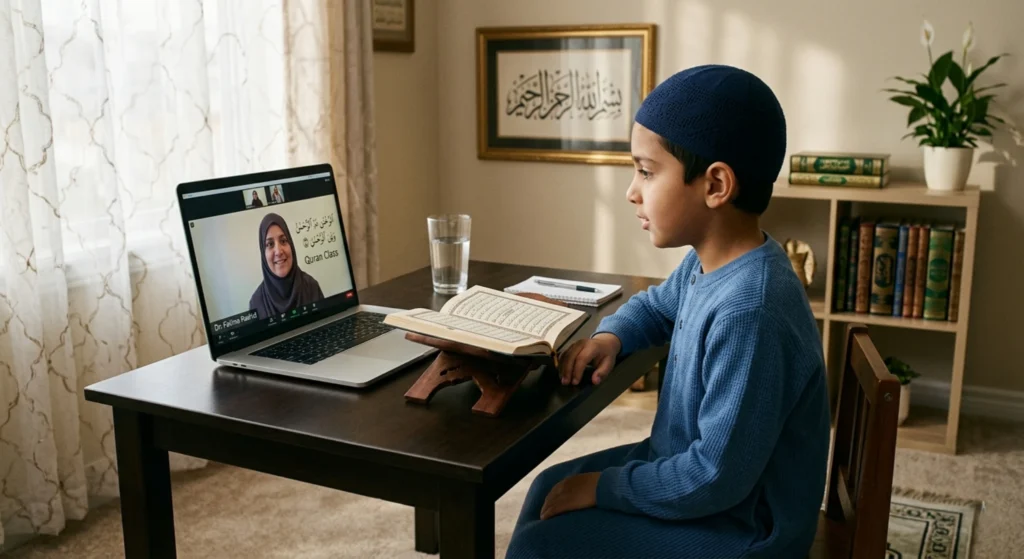
Parents notice it sooner or later-children don’t all learn the same way. One child starts reciting smoothly within weeks, while another pauses, hesitates, and needs a bit more reassurance. And that’s okay.
This is where one-on-one Quran tutors for kids quietly stand out. When a child gets full attention, things begin to click in a different way. Not instantly-but steadily, almost quietly.
I once saw a parent mention how her son used to avoid reading aloud in group class. A few weeks into private lessons, he started volunteering to recite. No big announcement. Just… confidence showing up.
Understanding How Children Learn the Quran
Children are naturally curious, but they also get overwhelmed easily (especially with something as precise as Quranic pronunciation). Their focus comes and goes, and their comfort level plays a bigger role than we often admit.
Think about it-would a child correct themselves openly in front of others? Sometimes yes, often no.
The Role of Focus and Individual Attention
In a one-on-one setting, the noise disappears. No waiting, no background recitation, no pressure to keep up.
A tutor can pause instantly, correct gently, and move on. That small moment-right there-can prevent a mistake from sticking long-term.
I remember a student who kept repeating a slight Tajweed error. In a group, it went unnoticed. In a private session, it was corrected within minutes. That’s the difference.
Learning Pace Differences Among Children
Some children pick things up fast. Others need repetition-again and again.
And honestly, repetition isn’t a weakness. It’s how learning settles in. When the pace adjusts to the child, you don’t see frustration building. You see progress (even if it’s slow at first).
Note to expand: Add research insights on how repetition supports memory retention in early learning.
What Are One-on-One Quran Tutors?
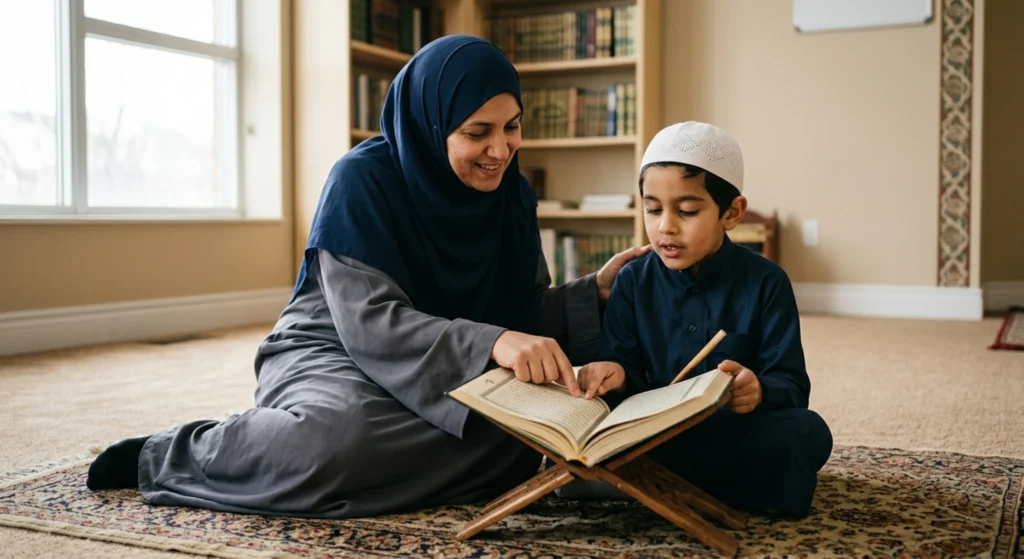
A one-on-one Quran tutor works with just one student at a time. No shared attention. No divided focus.
It sounds simple, but the impact is noticeable.
Structure of One-to-One Quran Classes
Lessons usually include recitation, correction, and a bit of revision. Sometimes the tutor goes back over yesterday’s lesson-just to make sure it’s really understood.
Sessions are flexible. If a child is tired, the pace slows down. If they’re engaged, it moves forward naturally.
A parent once shared how her daughter had “good days and quiet days.” The tutor adjusted without making it feel like a problem. That flexibility matters more than we think.
Online vs In-Person Quran Tutors for Kids
Online Quran classes have made things easier for many families. No travel, no rushing-just log in and begin.
In-person learning still has its place, of course. Some families prefer that direct presence. But in terms of results, both can work well. It often comes down to comfort.
Note to expand: Include examples of tools used during online sessions (screen sharing, recitation playback).
Key Benefits of One-on-One Quran Tutors for Kids
This is where the shift becomes clear. It’s not just about learning faster-it’s about learning better.
Personalized Learning Plans
Every child starts from a different place. Some know basic recitation, others are just beginning.
In a one-on-one setup, lessons are shaped around that starting point. There’s no rushing to match a group.
I’ve seen children who struggled early on catch up completely-just because someone slowed things down for them.
Faster Progress in Tajweed and Recitation
Mistakes don’t linger. They’re corrected right away.
And over time, children start recognizing their own patterns. It’s subtle, but powerful. You’ll hear fewer pauses, smoother recitation.
A father once said, “It’s like something finally clicked.” That’s often how it feels.
Stronger Teacher-Student Connection
Children open up when they feel understood. It’s that simple.
A familiar tutor becomes someone they trust. And when trust is there, participation follows naturally.
Sometimes, it’s the small things-a smile, a kind correction-that make a child want to try again.
Better Quran Memorization (Hifz)
Memorization takes patience. And consistency.
In private sessions, revision can be adjusted daily. If something isn’t sticking, it’s revisited-without pressure.
One student I remember would forget verses quickly in group class. In one-on-one sessions, with steady revision, retention improved noticeably. Not overnight, but steadily.
Flexible Scheduling for Families
Life gets busy. That’s just reality.
Flexible scheduling helps families stay consistent without stress. And consistency-more than anything-is what leads to real progress.
Note to expand: Add examples of typical progress timelines for recitation and memorization.
One-on-One vs Group Quran Classes: Which Is Better?
It depends. There’s no one-size answer here.
Advantages of Private Quran Teaching
Private lessons offer focus. Everything revolves around the child.
There’s more room to ask questions, make mistakes, and try again. That space can make learning feel easier-less pressured.
When Group Classes May Still Work
Group classes can be more affordable. They also create a shared environment, which some children enjoy.
But attention is divided. Progress might slow down a bit. It’s a balance parents have to think about.
A parent once told me her child enjoyed group classes-but didn’t progress much. Switching to one-on-one changed that within weeks.
Note to expand: Add a simple comparison table for clarity.
How One-on-One Quran Tutors Improve Confidence in Children
Confidence grows quietly. You don’t always notice it right away.
Safe Learning Environment
In private sessions, children feel less exposed. They’re more willing to try, even if they’re unsure.
And that’s important-because learning comes with mistakes.
Positive Reinforcement and Motivation
A good tutor notices effort, not just results.
A small “well done” can go a long way. It encourages the child to keep going.
I’ve seen children who barely spoke during lessons begin to recite with confidence. Slowly at first… then more clearly.
Note to expand: Include parent feedback or short behavioral observations.
Safety and Trust in Online Quran Classes for Kids
Parents want reassurance. That’s natural.
Qualified and Verified Quran Teachers
Reputable tutors are trained-not just in Quranic knowledge, but in teaching children.
And teaching children? That’s a skill on its own.
Supervised and Secure Learning Environment
Many platforms allow parents to observe sessions. Some even record lessons.
That transparency helps build trust. And once trust is there, consistency follows.
Note to expand: Add specific safety features like monitoring tools or progress reports.
Tips for Choosing the Right One-on-One Quran Tutor
It can feel like a big decision. But a few simple checks make it easier.
Check Teaching Experience and Methodology
Does the tutor understand how children learn? That matters more than anything else.
Knowledge alone isn’t enough-it’s how it’s shared.
Trial Classes and Communication Style
A trial session says a lot. You’ll see how your child responds.
Do they seem comfortable? Engaged? Sometimes, you just know.
Flexibility and Progress Tracking
Regular updates help you stay informed.
Even small progress should be visible. It keeps everyone motivated-child and parent alike.
Note to expand: Provide a simple checklist parents can follow.
Final Thoughts: Is One-on-One Quran Learning Right for Your Child?
Every child is different. Some enjoy group settings, others need quiet focus.
One-on-one learning offers space, attention, and flexibility. For many families, that’s exactly what makes the difference.
Not perfect. Not instant. But steady-and meaningful.
Start Your Child’s Journey Today
If you’ve been thinking about a more focused approach, this might be the right moment to try it.
Sometimes, all it takes is the right environment for a child to begin enjoying the process.
Kids Quran Classes can offer that space-calm, supportive, and built around your child’s pace.
FAQs
Most children begin around 5 or 6. It depends on readiness more than age.
Yes, they can be very effective-especially when sessions are interactive and consistent.
Often within a few weeks, small changes start to appear. Clearer recitation, more confidence.
For personalized attention and faster progress, it usually is. But it depends on the child.
Simple things help-listening, encouraging, asking about lessons. It doesn’t have to be complicated.