
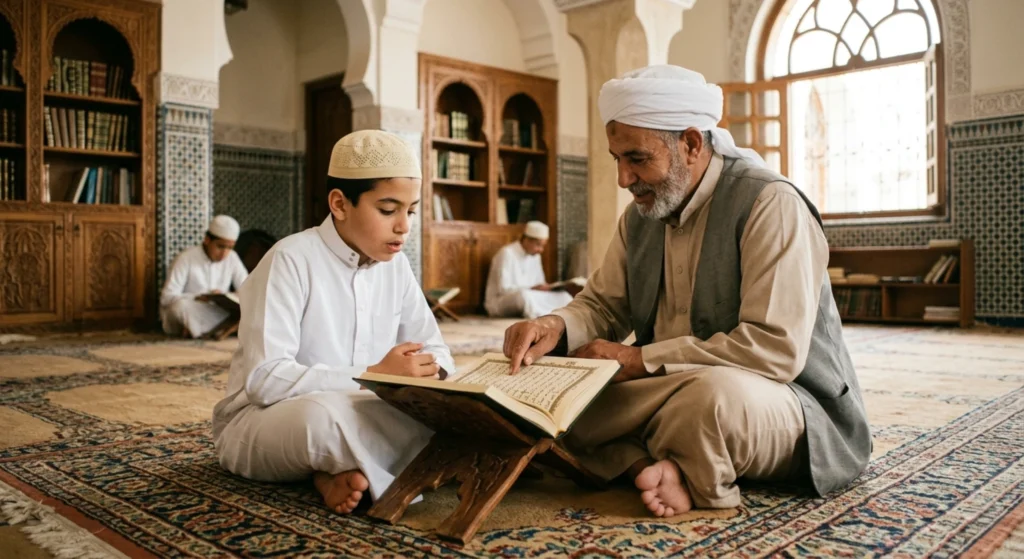
For many Muslims, learning to recite the Quran starts with sincerity-but not always with the right method. Tajweed isn’t just an extra layer you add later; it’s part of getting the recitation right from the beginning. When we say Tajweed is mandatory for Quran recitation, we’re really talking about responsibility, not preference.
I remember a student once who had been reading for years. Smooth, confident-but a few letters were consistently off. When we corrected them, he paused and said, “I didn’t realize I was changing the meaning.” That moment tends to stay with people.
What Is Tajweed in Quran Recitation?
Tajweed is the system that guides how every letter of the Quran should be pronounced. Not just roughly correct-precisely correct. Each sound has a place, a quality, a weight.
At first, it can feel technical (a bit overwhelming, honestly). But over time, it becomes natural. Like learning to pronounce words properly in any language-you stop thinking about it so much.
Core Components of Tajweed
There are a few essentials that everything builds on:
- Makharij (points of articulation): Where the sound comes from
- Sifaat (letter characteristics): How the sound behaves
- Rules of elongation and pauses: The rhythm of recitation
A learner once told me, “I thought I was saying the letter correctly until I realized my tongue wasn’t even in the right place.” It’s small details like that. Easy to miss, but important.
(Note to expand: Add simple examples showing sound differences.)
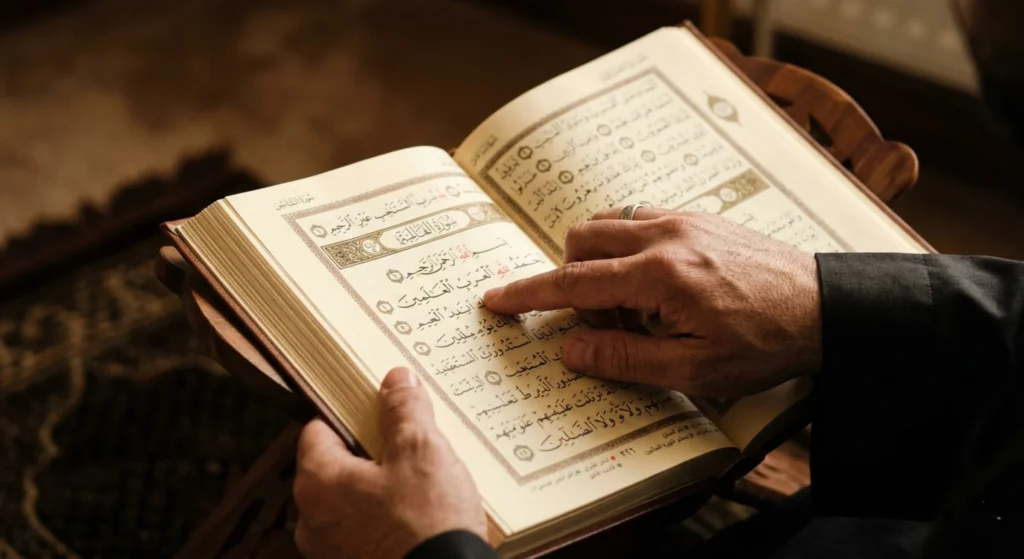
Is Tajweed Mandatory in Islam?
This is where people sometimes hesitate. Is it really required?
Scholars have discussed whether Tajweed is Fard or Wajib, but the practical takeaway is clear: you’re expected to recite the Quran correctly, without altering its meaning. Tajweed is how that’s done.
A teacher I knew used to say, “You don’t need perfection-but you do need correctness.” That distinction matters. No one’s expecting flawless recitation overnight… but avoiding clear mistakes? That’s part of the responsibility.
(Note to expand: Briefly include scholarly perspectives in a simple way.)
Why Tajweed Is Essential for Correct Quran Recitation
So why does it matter so much? Because it directly affects meaning, tradition, and even your personal connection.
Protecting the Meaning of the Quran
Arabic is precise. A small shift in pronunciation can lead to a completely different word.
I once heard a beginner mix up two similar letters during practice. It didn’t sound like much-but when we looked at the meaning, it had changed entirely. That’s the kind of thing Tajweed prevents.
Following the Sunnah of Proper Recitation
The Quran wasn’t just written down-it was recited, taught, and preserved through sound.
So it’s not only about reading correctly. It’s about following the way it was passed down. There’s a continuity there, a kind of chain.
Enhancing Spiritual Connection
Something else happens too.
When your recitation improves, your focus improves. You’re not second-guessing every word. You’re present. And that changes the experience (quietly, but noticeably).
One learner described it as “finally feeling settled while reciting.” That’s a good way to put it.
(Note to expand: Add a short reflective learner story.)
Common Mistakes Without Tajweed
Most mistakes aren’t deliberate. They just… build up over time.
Mispronunciation of Letters
Some Arabic sounds don’t exist in other languages. So people substitute what feels familiar.
I’ve seen this happen a lot-especially with letters that sound similar to the untrained ear. It’s understandable, but it needs correction.
Ignoring Lengthening Rules
Stretching a vowel too much-or not enough-can affect both rhythm and meaning.
A student once rushed through a verse, skipping elongation entirely. When we slowed it down, it felt like a completely different recitation.
Incorrect Stops and Pauses
This one’s subtle.
Stopping in the wrong place can break meaning in ways you don’t expect. Sometimes it even reverses it. And most people don’t realize they’re doing it.
(Note to expand: Include clear before-and-after examples.)
Benefits of Learning Tajweed Properly
Once Tajweed becomes part of your recitation, things start to shift.
You feel more confident. Mistakes become easier to catch. There’s a sense of control, in a good way.
I’ve seen adults who were hesitant at first-worried they were “too late” to learn. A few months in, they’re correcting themselves mid-recitation. That kind of progress builds quietly.
For children, it’s even more powerful. They pick it up early, and it stays with them.
(Note to expand: Compare adult vs child learning experiences.)
How to Learn Tajweed Effectively
There’s no single path-but some approaches work better than others.
Learn with a Qualified Teacher
You can’t always hear your own mistakes. That’s just how it is.
A good teacher points them out gently, consistently. That feedback loop makes all the difference.
Practice Consistently
You don’t need hours every day.
Even 10–15 minutes, done regularly, can reshape your recitation over time. It’s more about rhythm than intensity.
Enroll in a Tajweed Course
For many people, a structured course helps keep things on track.
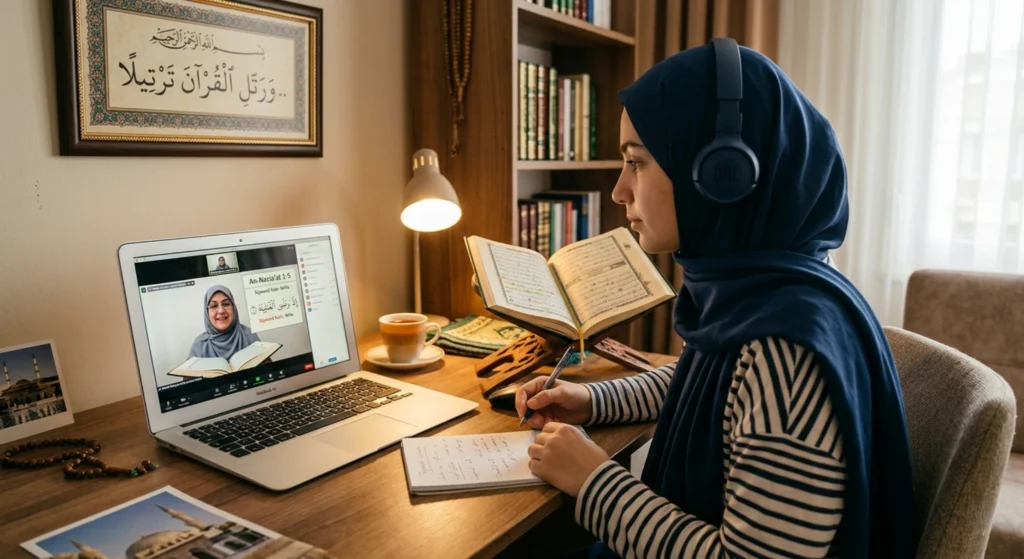
Online Tajweed courses, in particular, have made learning more accessible. You can learn from home, at your own pace, with real guidance. It’s practical-and for busy schedules, that matters.
(Note to expand: Add a short comparison with traditional learning.)
Can You Learn Tajweed Online Successfully?
Short answer? Yes, you can.
But it depends on the setup. A course with live feedback, clear structure, and a qualified teacher-that works. Without those, it’s harder.
I’ve seen students thrive in online settings. One even said, “I finally stayed consistent because I didn’t have to travel.” Small convenience, big impact.
Still, the teacher matters more than the format. Always has.
(Note to expand: Add trust signals or outcomes.)
Final Thoughts
Tajweed isn’t just for advanced learners or specialists. It’s part of reciting the Quran correctly-plain and simple.
You don’t have to get everything right immediately. No one does. But starting the process? That’s important.
If you’ve been putting it off, maybe this is the right time to begin. A structured Tajweed course can help you correct small mistakes, build confidence, and connect more deeply with the Quran-step by step, sound by sound.
FAQs
Yes, because reading and reciting correctly aren’t the same. Tajweed helps you pronounce each word accurately.
At first, maybe a little. But with guidance and regular practice, it becomes much easier than expected.
Basic rules can take a few months. Improvement continues over time-it’s a gradual process.
Definitely. In fact, many adults progress quickly because they’re more focused
They can be very effective-especially if they include live teaching and consistent feedback.